206. Floor and Ceil in a BST
Given a root of binary search tree and a key(node) value, find the floor and ceil value for that particular key value.
- Floor Value Node: Node with the greatest data lesser than or equal to the key value.
- Ceil Value Node: Node with the smallest data larger than or equal to the key value.
If a particular floor or ceil value is not present then output -1.
Example 1:
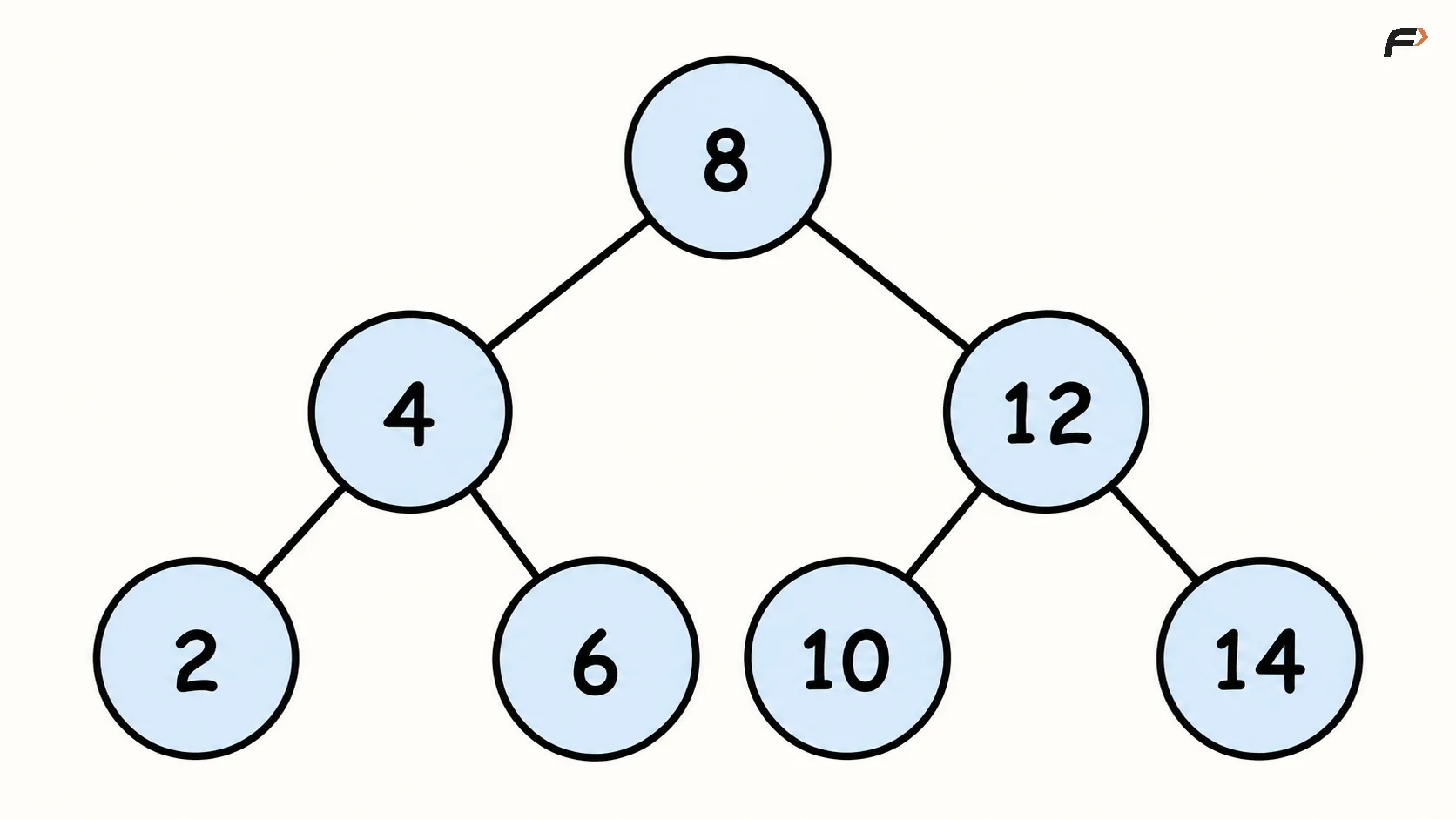
Input : root = [8, 4, 12, 2, 6, 10, 14] , key = 11
Output : [10, 12]
Explanation :
Example 2:
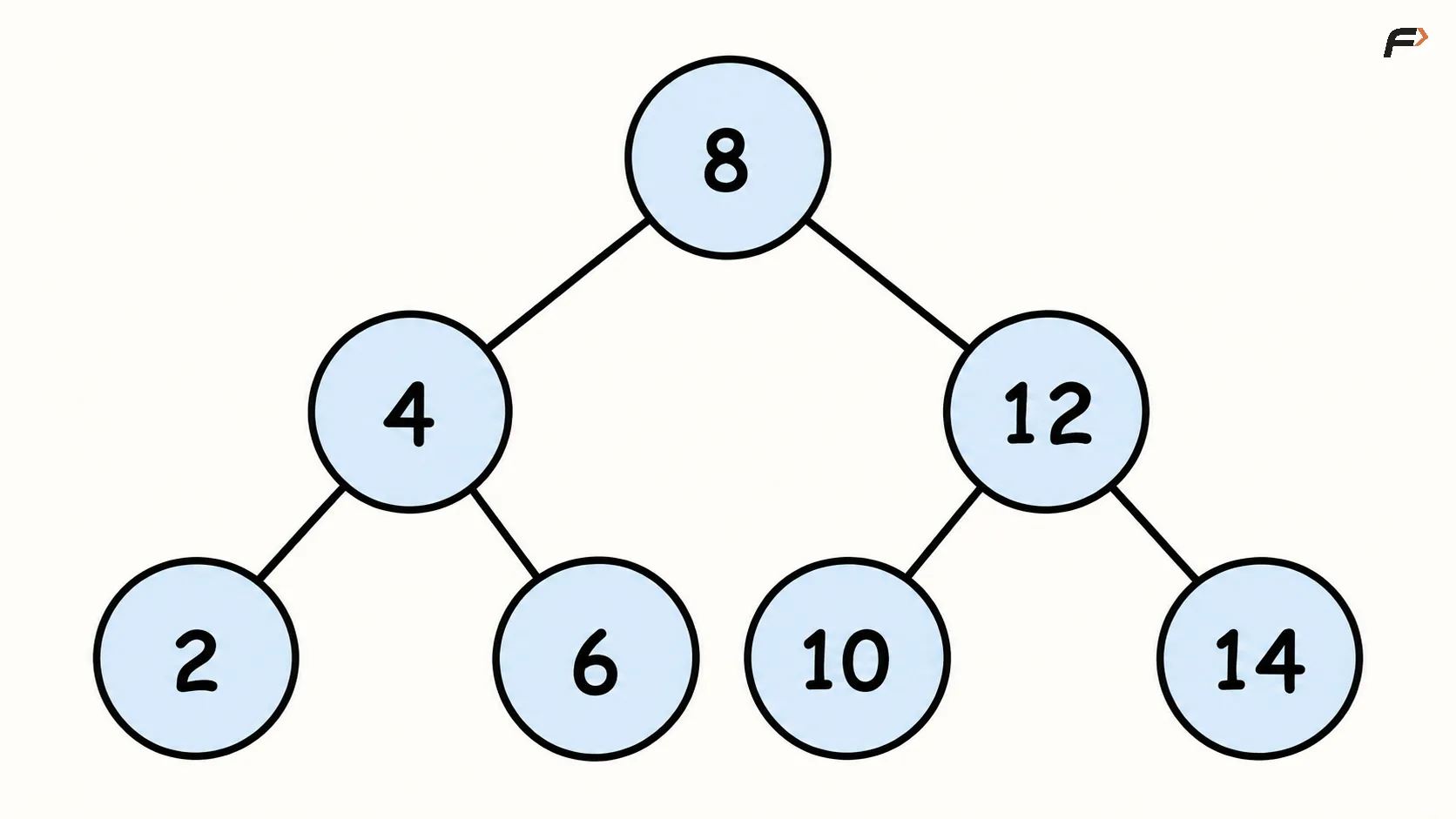
Input : root = [8, 4, 12, 2, 6, 10, 14] , key = 15
Output : [14, -1]
Explanation :
Now Your Turn!
Pick the correct output for the given inputInput : root = [8, 4, 12, 2, 6, 10, 14] , key = 1
Still unsure what the problem is asking ?
Let’s go through a few more examples, step by step, to make it clearer.
Constraints:
- 1 <= Number of Nodes <= 5000
- 1 <= Node.val <= 107
- 1 <= key <= 107