399. Binary Tree Longest Consecutive Sequence
Given the root of a binary tree, return the length of the longest consecutive sequence path.
A consecutive sequence path is a path where the values increase by one along the path.
Note that the path can start at any node in the tree, and you cannot go from a node to its parent in the path.
Example 1:
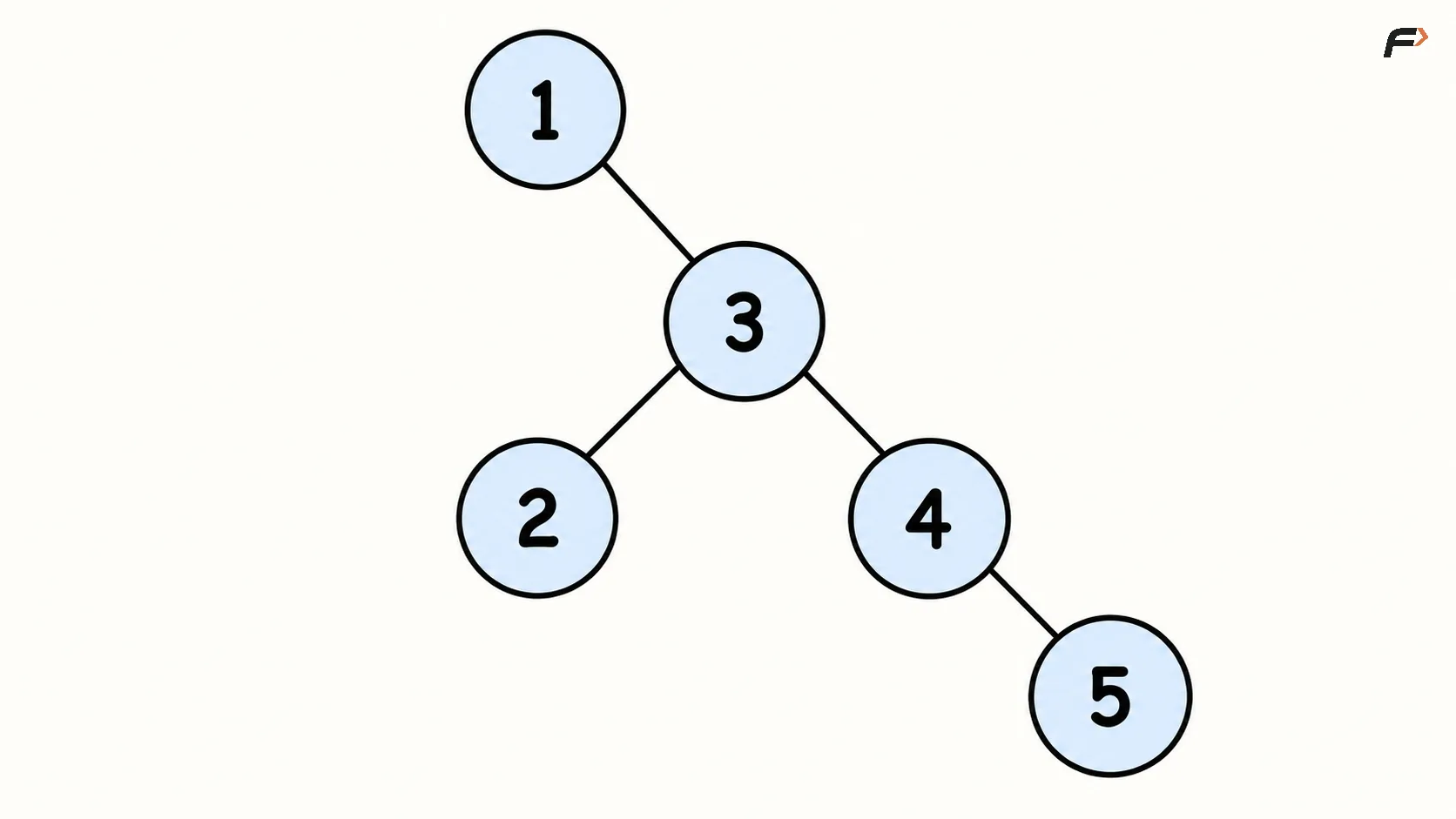
Input: root = [1,null,3,2,4,null,null,null,5]
Output: 3
Explanation: Longest consecutive sequence path is 3-4-5, so return 3.
Example 2:
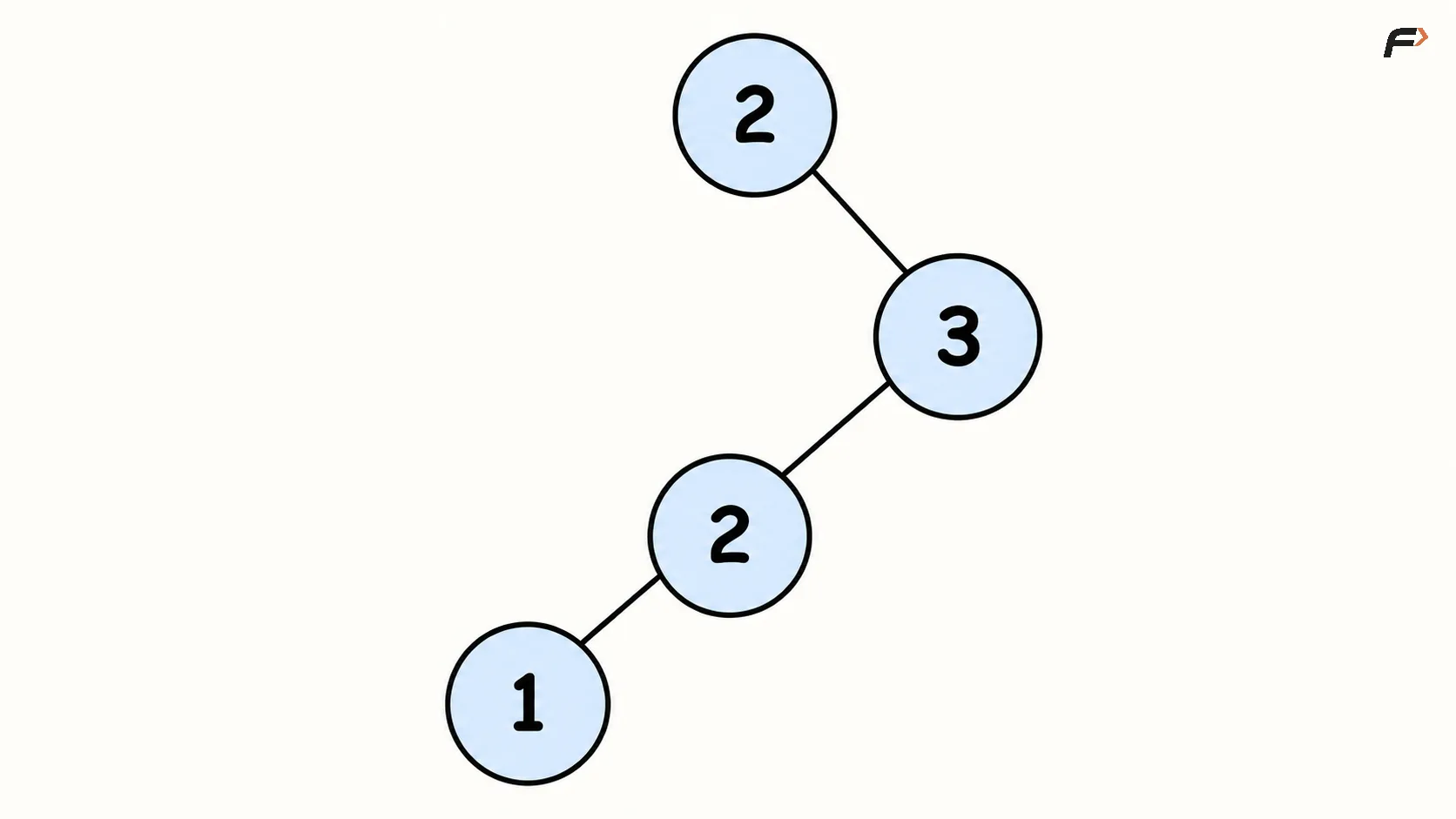
Input: root = [2,null,3,2,null,1]
Output: 2
Explanation: Longest consecutive sequence path is 2-3, not 3-2-1, so return 2.
Now Your Turn!
Pick the correct output for the given inputInput: root = [1,2,null,6661,null,6662,null,null,null]
Still unsure what the problem is asking ?
Let’s go through a few more examples, step by step, to make it clearer.
Constraints:
- The number of nodes in the tree is in the range [1, 3 * 104].
- -3 * 104 <= Node.val <= 3 * 104